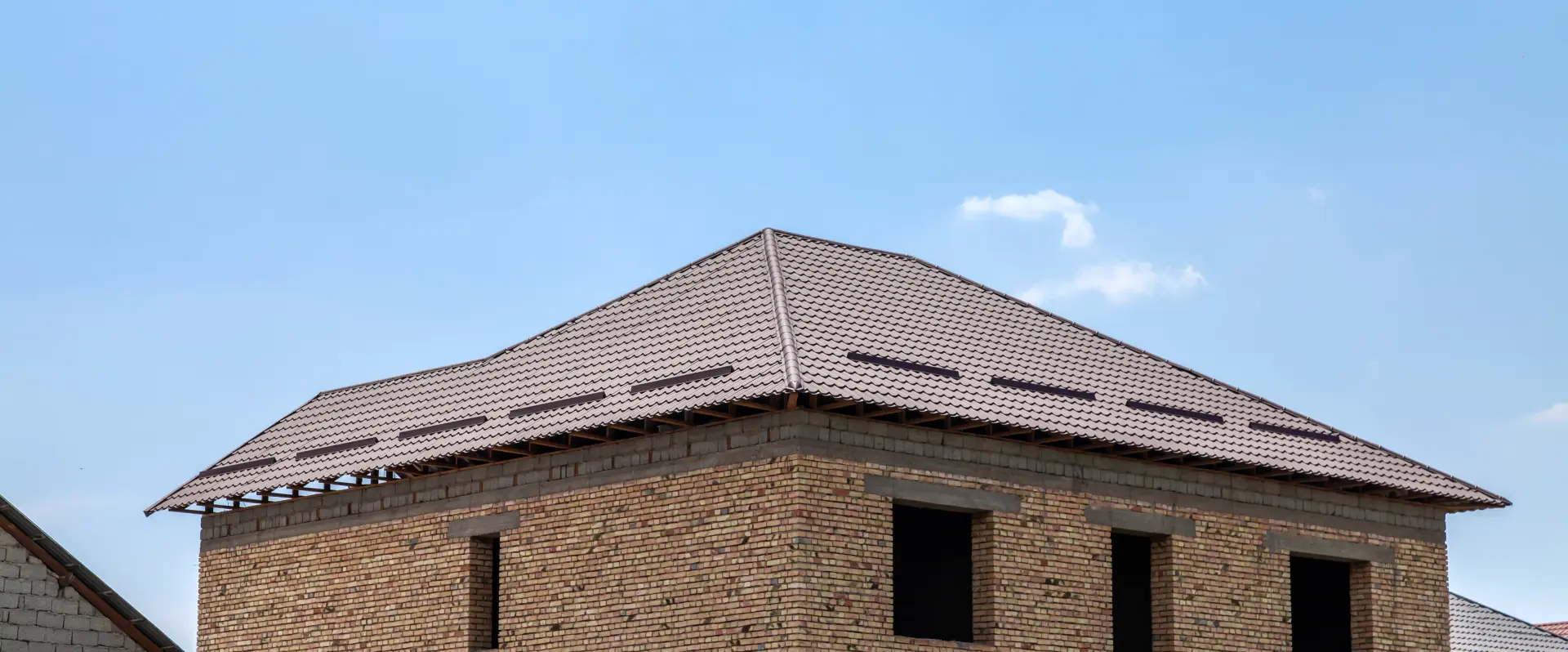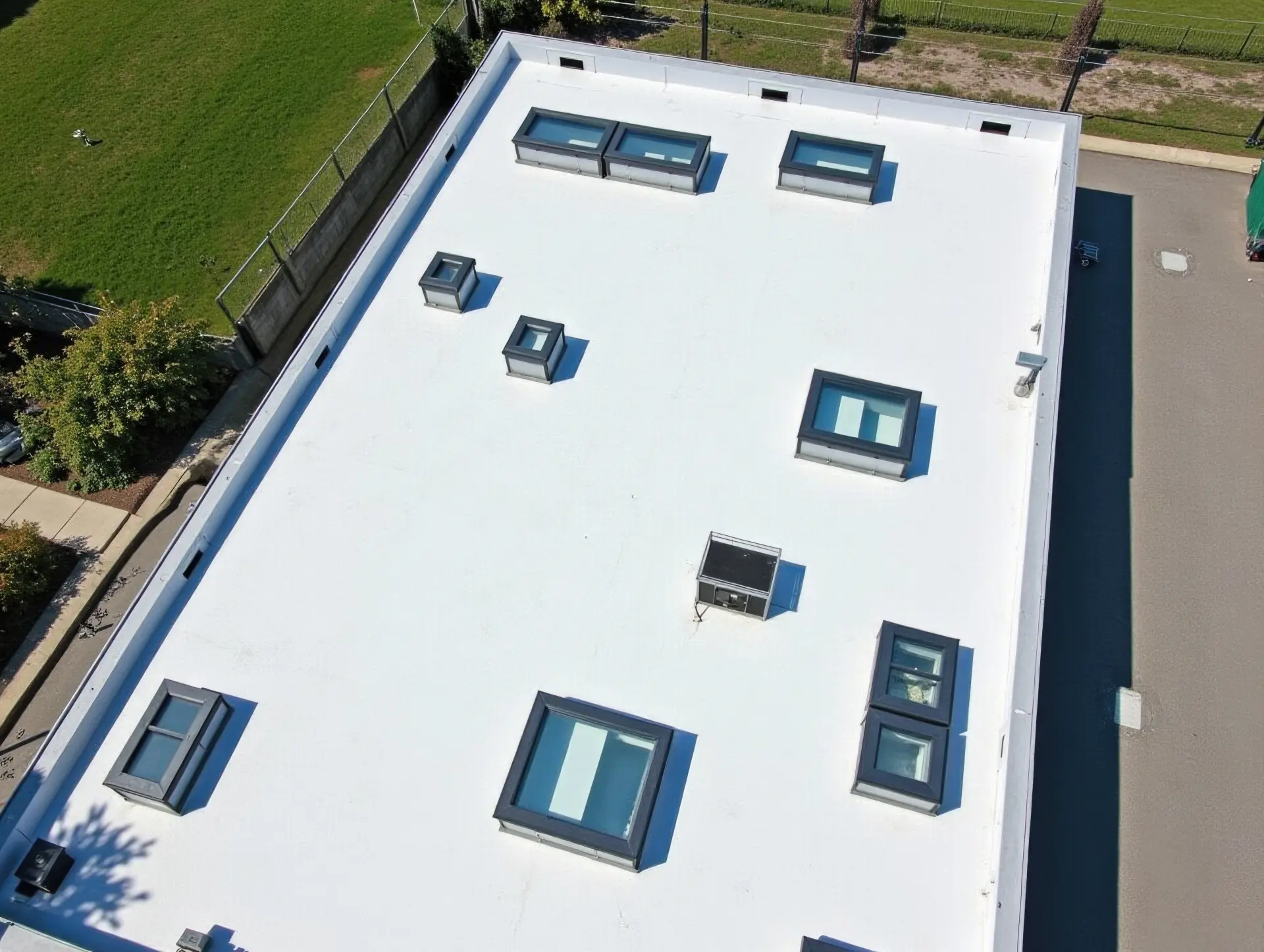
Ponding water and poor falls
One of the most common problems on flat roofs is ponding water. This is when rainwater collects in shallow pools and does not drain away within a reasonable time, usually within 24 to 48 hours. Even though these roofs are described as “flat”, they should still have a gentle slope, known as a fall, to guide water towards outlets. When falls are not steep enough or have been lost over time, water starts to sit on the surface.
Ponding water can lead to several issues. It adds extra weight to the roof, which can put stress on the structure, especially if the roof deck or joists are old or weakened. Standing water also increases the risk of leaks, as it can find tiny defects in the waterproof layer and slowly work its way through. In seasons of cold weather, water in shallow pools can freeze and thaw, damaging the surface and its joints.
Poor falls may be a result of faults in the original design, or they can develop later. In time, you may find that insulation or roof boards can compress under the weight of the coverings, creating a number of low spots. Previous patch repairs or added layers can also change the overall shape of the roof, leaving some areas much higher than others. On older roofs, there may be signs of sagging between the beams or joists, which can also create hollows where water tends to collect.
Blisters, splits and cracking in membranes
Most flat roofs on schools rely on a waterproof membrane. This may be built up felt, single ply, liquid applied coatings or another system. Over time, these membranes can develop blisters, splits and cracks. These are not only unsightly, but they can also be the first stage in a leak that affects the classrooms and corridors below.
Blisters usually appear as raised bubbles in the roof surface. They are often caused by moisture trapped within the layers of the roof, or by air that was not properly released during installation. When the sun heats your roofing, any trapped moisture or air will expand and push upwards, forming small blisters. Small, stable blisters that are well-sealed may not leak at once, but they are a weak point in your system and can be damaged by plenty of foot traffic or further movement.
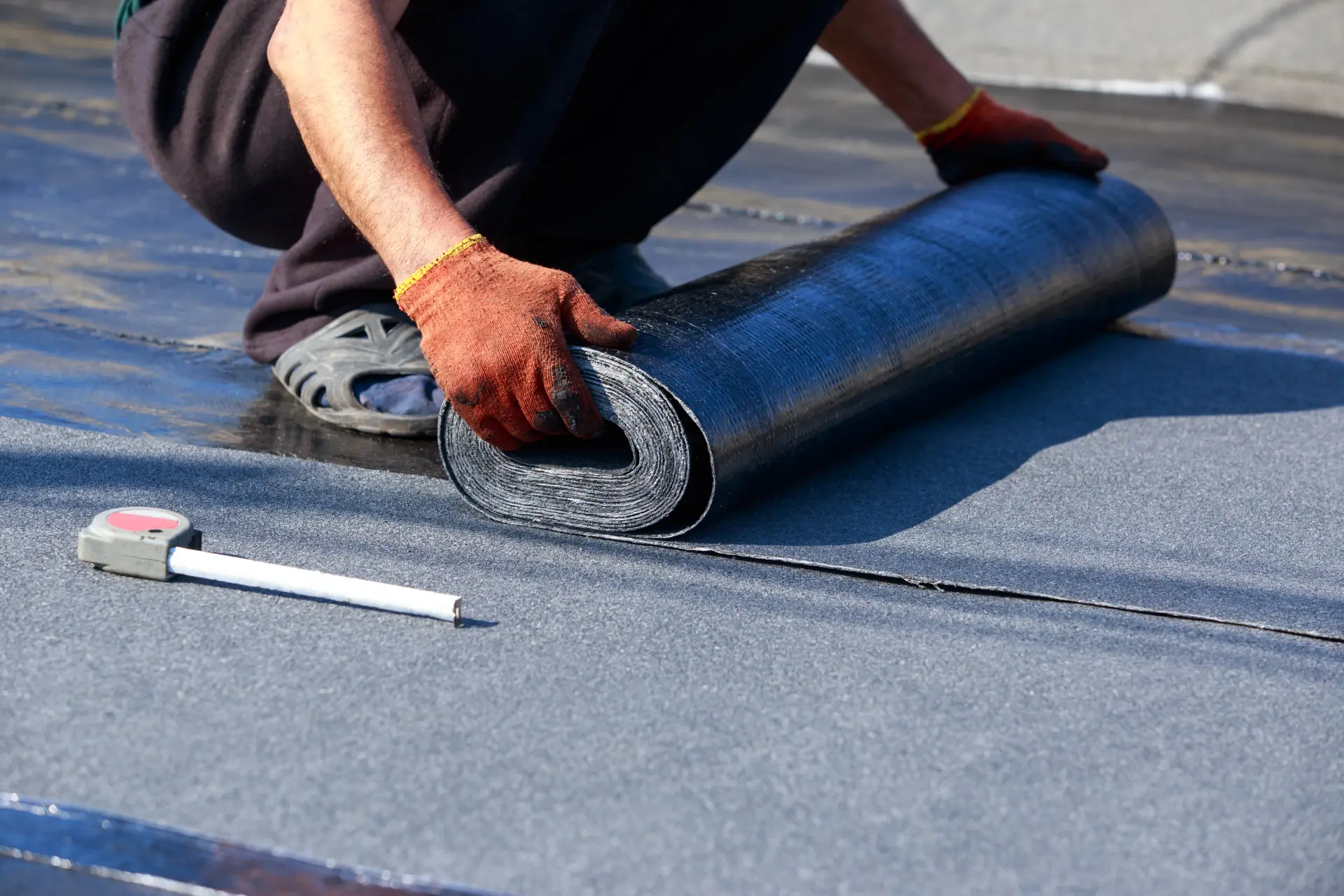
Splits and cracking are often linked to ageing and stress. As membranes get older, they can become brittle and less able to cope with movement. Temperature changes, wind uplift and normal building movement all put strain on the material. Cracks can gradually appear along the joints, around upstands and even at changes in levels. Once a split forms, water can travel along it and enter the layers below, sometimes a long way from the visible damage, which is why checks must be thorough.
In your inspections, you or local professionals should look for these defects across the whole roof, not just near the obvious problem areas. Any blisters, splits, or cracks should be recorded and assessed by a competent person. Some of these issues may be repairable with local patching or sealing, whereas others may show that the roof is coming to the end of its useful lifespan. Early action can help you avoid small membrane issues from turning into widespread water damage and decay.
Roof outlets, gutters and downpipes
Flat roofs depend heavily on good drainage. Even a well-designed roof with proper falls will fail if the outlets, gutters and downpipes are blocked or damaged. Schools often have trees nearby and large open areas where leaves, twigs and rubbish can collect, and birds may even drop nesting material on your roof, which causes further blockages. All of this can easily end up in gutters and outlets, stopping the water from escaping.
When outlets block, water backs up across the roof surface, causing ponding, increasing the risk of leaks, and leading to water spilling over parapets or into the building. Blocked downpipes can also cause water to overflow, staining walls and soaking the ground near foundations. This can lead to a series of damp problems in your walls and can damage the external finishes.
Gutters and outlets themselves can also be damaged. Metal gutters may rust, especially at joints and fixings, while plastic ones can warp, crack or become loose. Outlet gratings can break or go missing, making it easier for debris to enter the pipework. When cold weather occurs, trapped water can freeze deep within the gutters or downpipes, causing them to split or detach from the building.
A good maintenance plan for a school flat roof should always include plenty of cleaning and lots of checks of the outlets, gutters and downpipes. You may need to do so several times a year, especially after autumn, when the leaves have fallen or you've experienced severe weather.
Thermal movement and expansion issues
Flat roofs are exposed to sun, wind, rain and temperature changes all year round. In the UK climate, surface temperatures on a roof can vary a lot in a single day, especially in strong sunshine followed by cool evenings. These changes cause materials to expand and contract. If the roof system is not made and installed to cope with this kind of movement, problems can develop as years go on.
Different materials move by different amounts as they heat and cool. For example, metal, felt, insulation and concrete all expand at different rates. If they are fixed together in a way that does not allow for movement, stress builds up at joints, edges and fixings. In this case, you may end up with splits in membranes, cracks in sealant, or loosening of flashings and trims. The first signs may be small, but they can grow worse with each season.
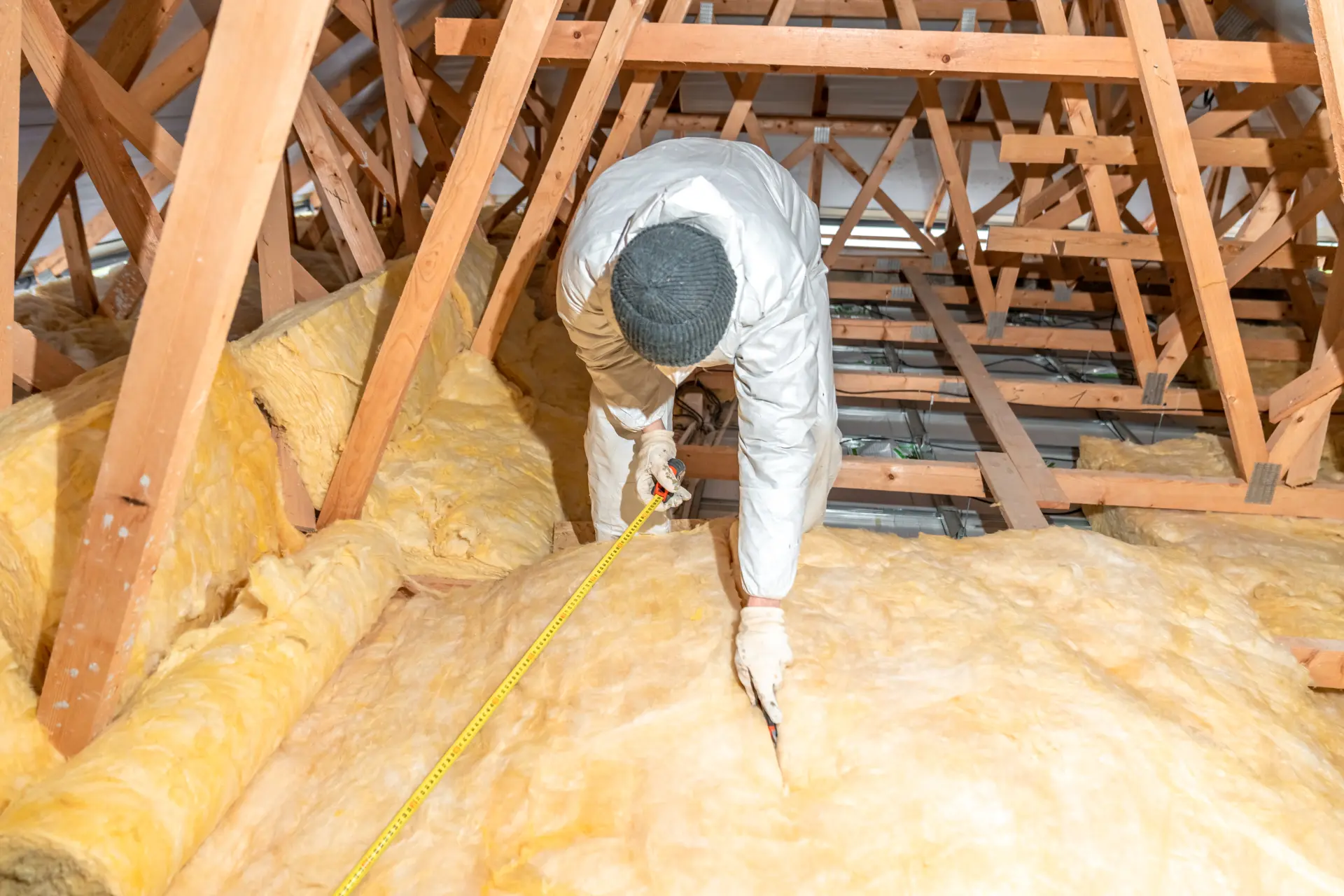
Movement can also affect details around roof lights, plant supports and upstands. These are often the most complex parts of a flat roof, with several materials meeting in a small area. If they do not have suitable movement joints or flexible detailing, gaps can open up. Water then has an easy path into the layers below, even if the main roof surface looks sound.
During the design and refurbishment process, it is crucial to select systems that suit the building and its intended use. Manufacturers can supply you with lots of guidance on how to manage the thermal movement, including the use of movement joints, flexible fixings and compatible materials. For existing roofs, inspections should pay close attention to the joints, edges and interfaces for any major signs of stress. All repairs should use appropriate products that allow movement rather than simply covering over cracks with rigid materials that may fail again.
Asbestos awareness in older roof systems
Most school buildings were constructed or refurbished many years ago, at times when asbestos-containing materials were in common use. On flat roofs, asbestos can appear in several forms, including old roofing sheets, insulation boards beneath the waterproof layer, or debris from previous works. While these materials are usually quite safe if they are in good condition and left undisturbed, they can become a sudden, serious risk when damaged or drilled, cut, or broken.
Schools have a duty to manage all the asbestos in their buildings. This process starts with knowing where it is, what condition it is in and how it is being controlled. An asbestos survey is the best port of call, as it will help identify any areas of the roof that may contain asbestos materials. The results of this survey must then be shared with anyone who plans or carries out work on your roofing, including any surveyors, roofers and maintenance staff.
If asbestos-containing materials are present in your school's flat roof, special care is then needed during inspections and repairs. Only trained and competent people should disturb these materials, and in some circumstances, a licensed contractor is required on-site to help carry it out. Measures such as controlled removal, sealed enclosures and proper disposal routes must be followed. It is paramount not to cut into your roof layers or drill fixings without first checking your current asbestos records.
We provide school roof condition surveys, leak tracing and repairs, thermal imaging and moisture mapping, structural assessments, and drainage/fall corrections. Our team plans and delivers full roof replacements with high-performance insulation, upgraded rooflights and compliant edge protection, scheduled to minimise disruption.