Why regular roof inspections matter
A school roof protects pupils, staff, and valuable equipment from rain, wind and temperature changes. When a roof starts to fail, you may not notice straight away. Small leaks can be hidden in roof spaces or behind walls. However, these small problems can grow and become serious as time goes by. Having plenty of inspections gives you a chance to catch early signs of damage before they turn into major repairs.
Water getting through the roof can cause damage to ceilings, plaster, wiring and floor coverings. It can soak into insulation and timber, leading to rot and mould. This not only increases repair costs, but can also make parts of the building unsafe or unusable. A planned inspection will help you spot cracked tiles, damaged membranes and failing sealant so that you can act quickly.
Roof problems can also interrupt learning. If a classroom ceiling starts leaking, you may have to close that room at short notice, move pupils, and rearrange timetables. In some scenarios, water damage can make circulation spaces or halls rather unsafe. By checking roofs on a frequent basis, schools can eliminate the chance of sudden closures or last-minute changes that disrupt pupils and staff.
Legal duties and guidance for schools in the UK
In the UK, schools have a strict legal duty to keep all their buildings safe and in good repair throughout each year. Health and safety laws require employers and those in control of premises to make sure the building does not put their staff or students at risk. This includes the roof, gutters, roof lights and access routes for maintenance staff. While there may not be a single specific law that states exactly how often they must have their roofs inspected, schools are expected to have a sensible system for checking and maintaining them.
Guidance such as the Health and Safety Executive’s information on managing asbestos and work at height reminds schools that any work on roofs must be planned and risk assessed. Roof inspections usually involve ladders, scaffolding or access platforms, so you must make sure they are carried out safely by competent people. Sometimes, this means using specialist contractors rather than school staff to go onto the roof.
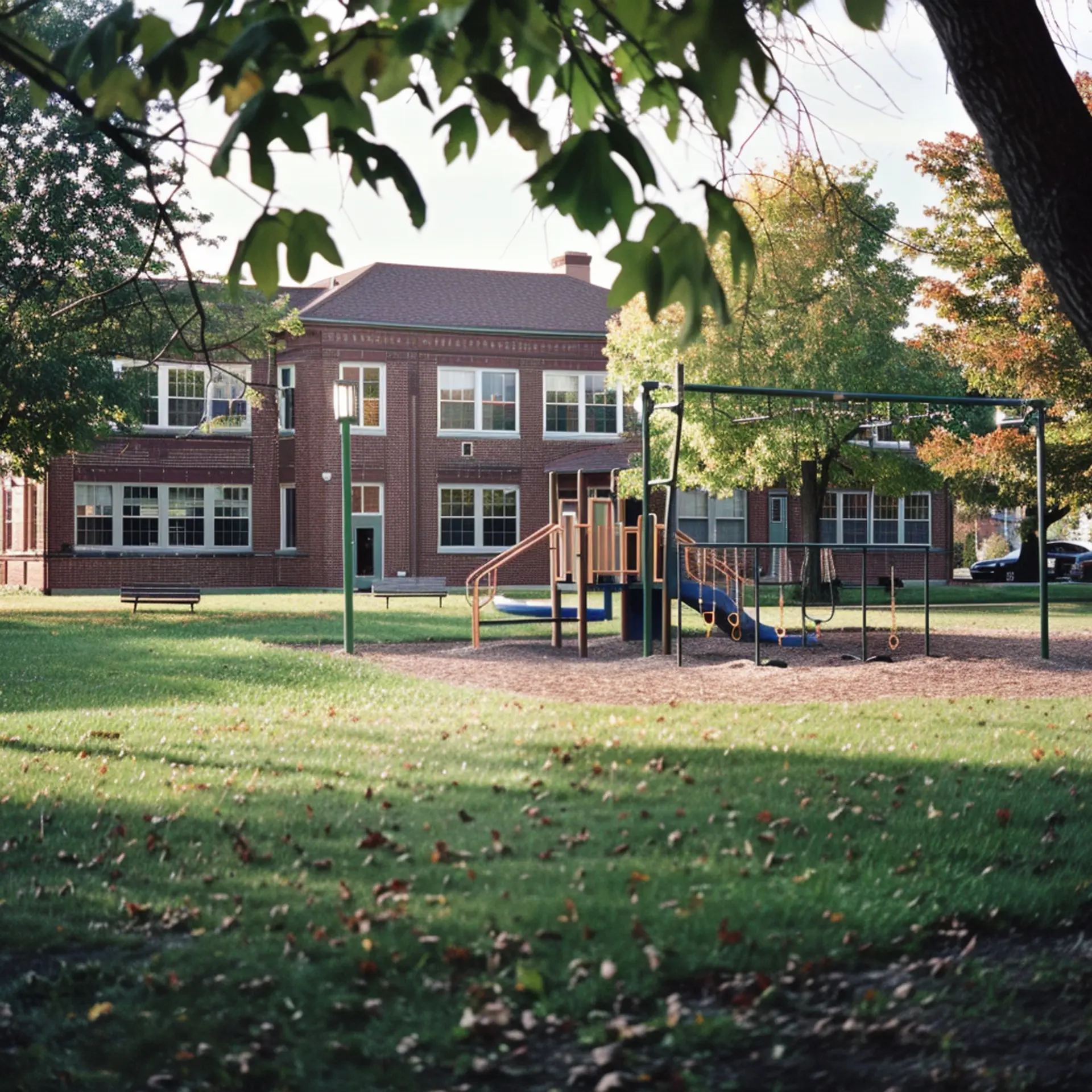
The Department for Education has also produced documents about good estate management and building safety in schools. These encourage schools and academy trusts to treat the estate as an important asset that needs planned inspections many times a year. Roofs are a major part of that estate. A written maintenance plan that includes routine roof checks helps show that you are meeting your “duty of care” to pupils, staff and visitors.
Governing boards and trust boards should be aware of their responsibilities in this area. They should receive basic information about the condition of the school estate and any risks linked to the roofs. This can include reports from annual building condition surveys, records of recent roof repairs, and plans for future works. Clear records of inspections and actions taken are a practical way to show that you are meeting your legal duties.
Extra checks after severe weather
Even if you have a well-planned inspection programme in place, severe weather can create new problems very quickly. Strong winds can lift your roof coverings, move tiles, dislodge flashing and damage gutters. Heavy rain can reveal a number of weaknesses in joints or seals that, before, may have seemed fine in normal conditions. Snow and ice can add extra weight, block outlets, and cause freeze or thaw damage to surfaces and joints.
After any major storm, schools should carry out extra visual checks. This does not always mean going onto the roof. You can start from the ground, looking for slipped or missing tiles, bent gutters, damaged downpipes and loose fascia or soffit boards. Inside the building, look for new stains on ceilings, damp patches on walls, or water on floors that was not there before. These are typically the earliest signs that the roof has been negatively affected by harsh weather conditions.
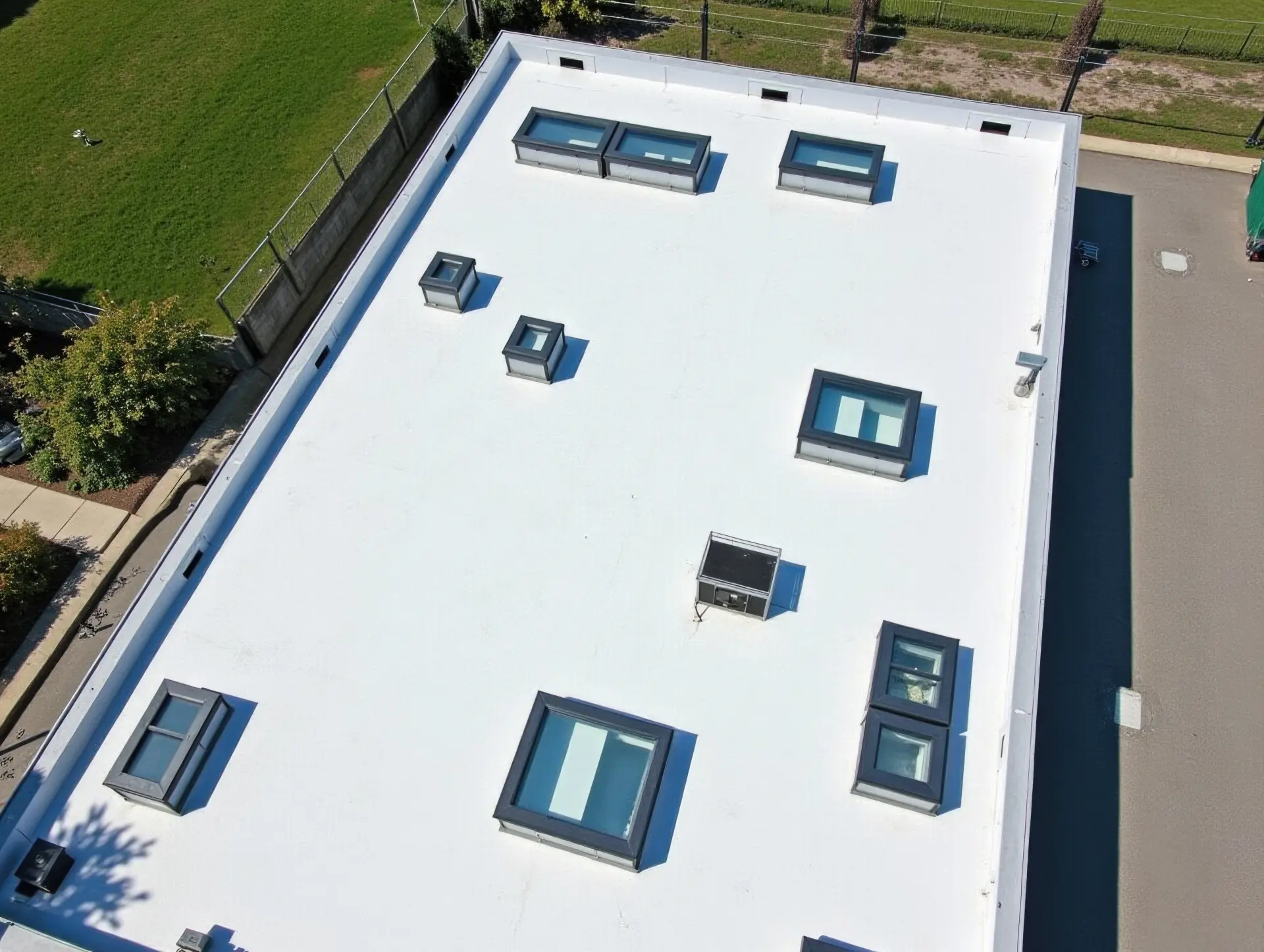
If your building has a quite flat roof, pay special attention after you experience heavy rain. Flat roofs depend on good drainage. Blocked gullies, outlets or scuppers can lead to standing water, which puts extra stress on the structure and can force water through weak points. Where safe access is available and the weather has cleared, a competent person can check for ponding water, damaged membranes and debris that needs removing.
Annual planned inspection and what it includes
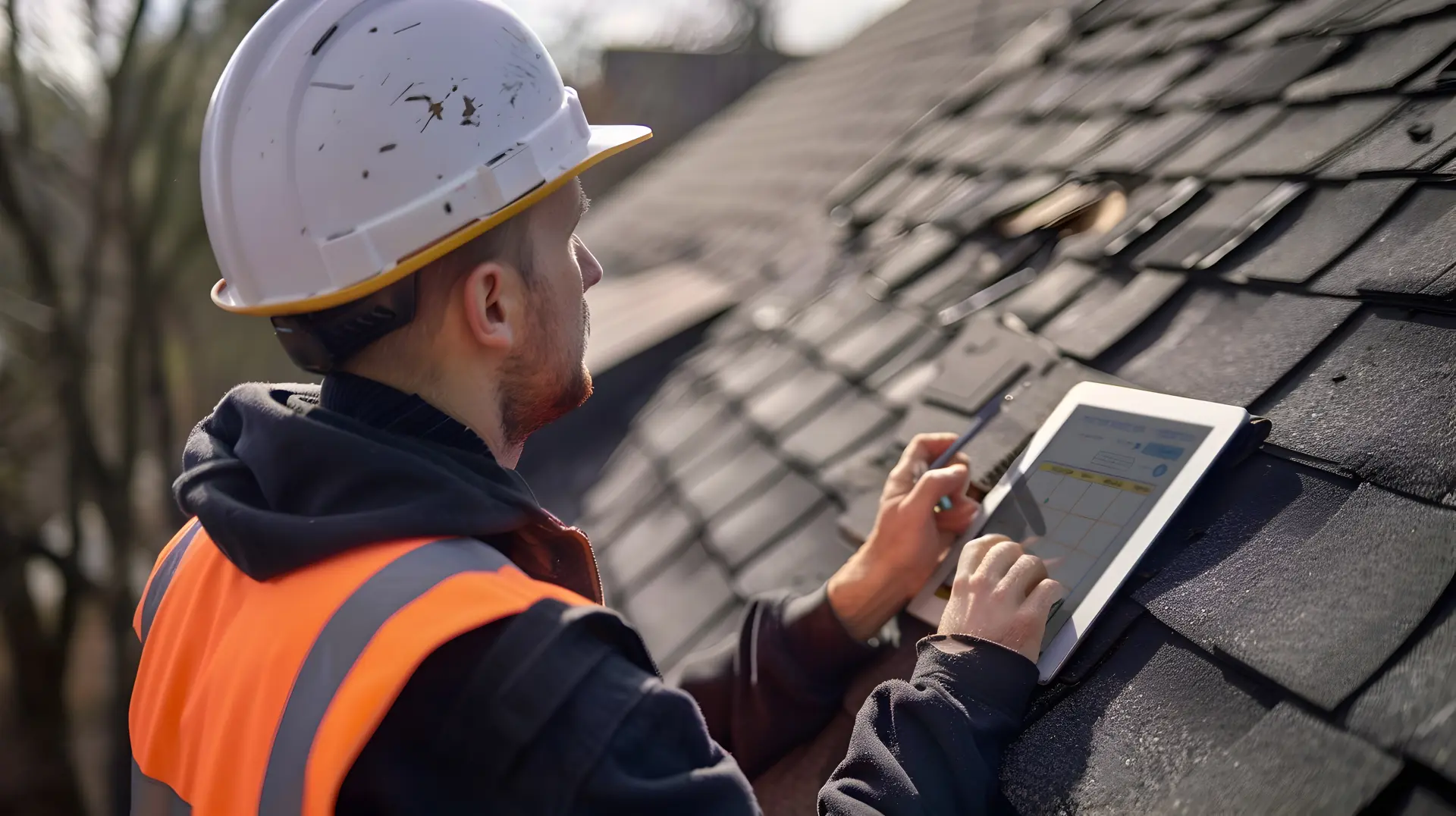
Most schools should plan at least one formal roof inspection every year as part of their wider building maintenance routine. For complex sites or those with known issues, more frequent checks may be sensible. The annual inspection is usually much more detailed than the quick visual checks that are carried out throughout the year and is generally conducted by a building surveyor or a specialist roofing contractor.
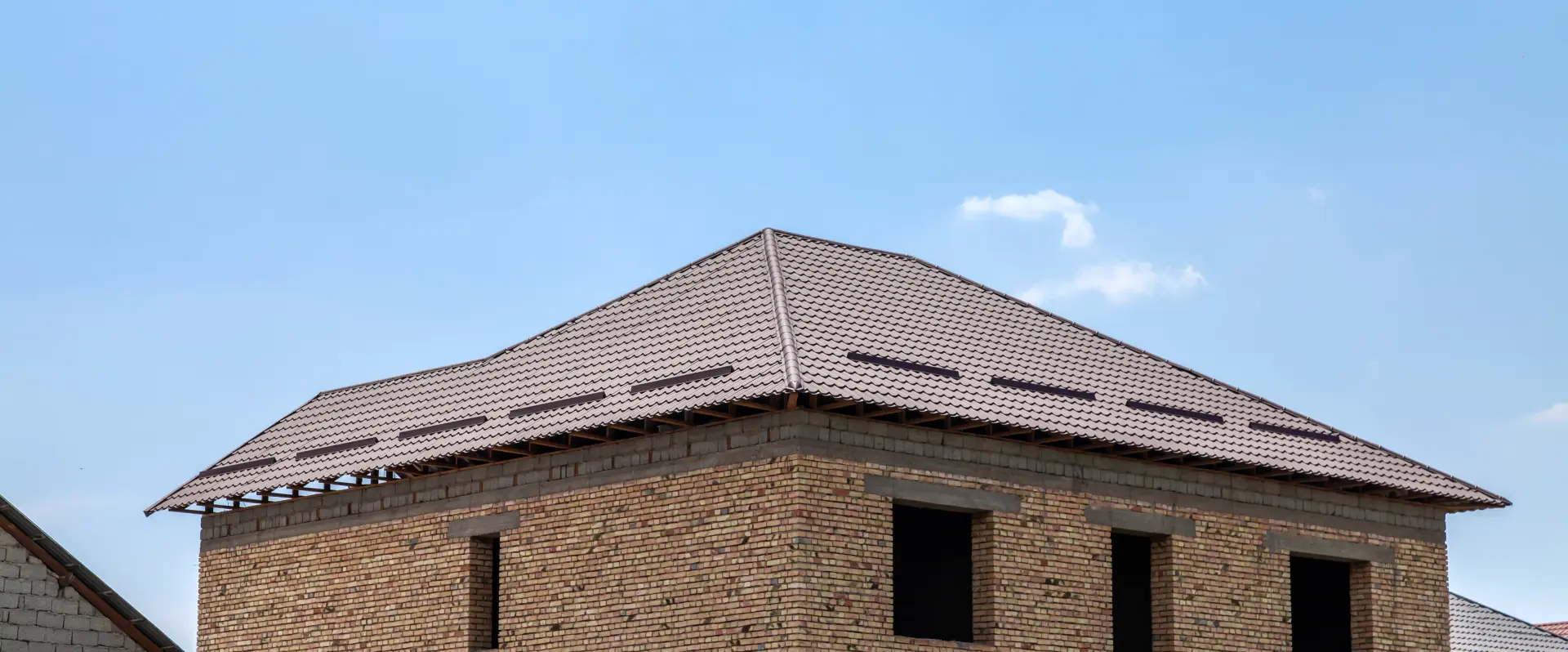
A thorough annual inspection will look at the main roof structure and the condition of the covering. For pitched roofs, this involves looking at tiles or slates, ridge tiles, flashings, valleys and any leadwork. For flat roofs, it includes membranes, seams, upstands and joints around roof lights or plant. The inspector will always look closely for cracks, splits, blisters, lifted edges and signs of previous poor repairs. They will also note any signs that the roof is reaching the end of its expected life.
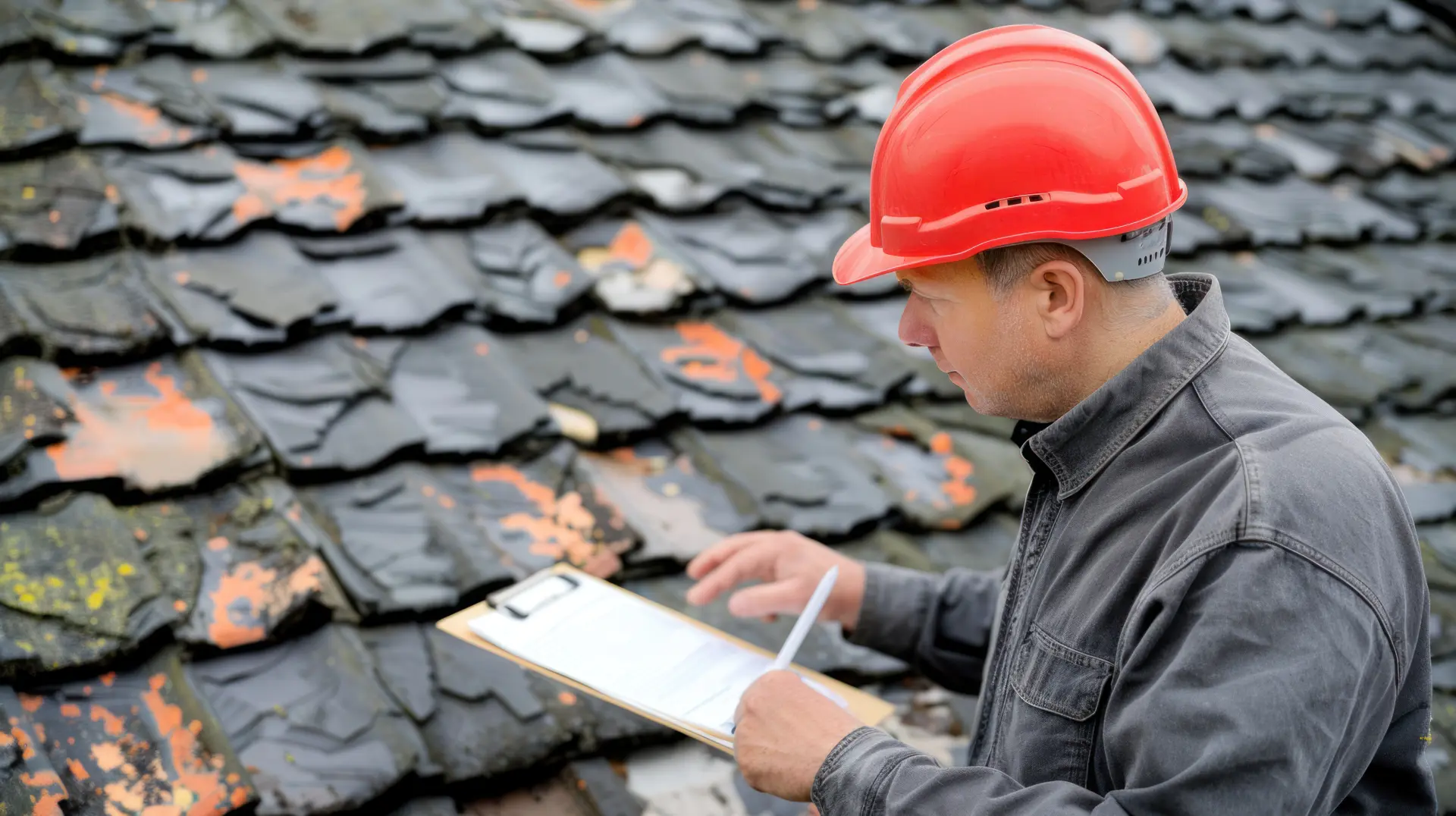
The inspection should also cover drainage. This means checking gutters, hoppers, downpipes and internal outlets to make sure water can flow freely. Leaves, moss and debris can build up quickly on school sites, especially if there are trees nearby. Blocked gutters are a familiar cause of leaks, as water overflows into the building or seeps through the joints. Cleaning and clearing these areas is a necessary part of frequent roof maintenance.
Other items to include in the annual inspection are roof lights, safety systems and access points. Roof lights should always be checked for any visible cracks, leaks around the edges and signs of discolouration. Safety systems, such as guard rails, fixed ladders, walkways and anchor points, must be checked to ensure they remain secure and fit for purpose. Finally, the inspector should produce a short written report that should list any major defects they find, recommend repairs and suggest when the next inspection should take place.
Older buildings and higher risk areas
Many schools in the UK occupy older buildings. Some have traditional pitched roofs with slate or clay tiles that may be more than 50 years old. Others have flat roofs built during the post-war period using materials that are now reaching the end of their useful life. Older roofs can still perform well, but they often need closer attention and more regular inspections to keep them safe and weather-tight.
Certain types of construction bring lots of extra risks. For example, some older flat roofs may contain hidden timber that can rot if water gets in. Other types of roofing may have layers that contain asbestos, and in these instances, the school must follow specific rules for inspection and repair, and use contractors with the right training and licences. It is especially important not to disturb materials that may contain asbestos without proper assessment and control measures.
Higher risk areas are not only about age or materials. Roofs that are exposed to strong winds, such as those on open or coastal sites, may suffer more wear. Roofs below large trees may collect more leaves, moss and branches, increasing the risk of blocked gutters and damp. Areas around plant rooms, vents and chimneys often have more joints and penetrations, which are common points of failure. All of these factors should be taken into account when it comes to deciding how frequently to inspect.
We provide school roof condition surveys, leak tracing and repairs, thermal imaging and moisture mapping, structural assessments, and drainage/fall corrections. Our team plans and delivers full roof replacements with high-performance insulation, upgraded rooflights and compliant edge protection, scheduled to minimise disruption.