Visible Leaks and Water Damage
Hidden damp patches, dripping ceilings, and stained tiles are classic red flags that a school roof is failing. During or after rainfall, look for brown tide marks on walls, blistered paint, swollen plasterboard, and musty odours; these suggest moisture is travelling beyond the roof covering. In classrooms, libraries, and sports halls, ceiling tiles that bow or crumble often point to persistent ingress. In plant rooms, rust on steelwork and corroded fixings indicate long-term water exposure.
External signs include moss growth, streaking below gutters, and algae trails from failed flashings. Left unchecked, leaks degrade insulation, damage electrics, and create slip hazards—escalating costs and risks. Report active drips immediately and isolate affected circuits to protect students and staff. Mould indicates prolonged leaks.
Sagging or Uneven Roof Areas
Sagging or undulating roof areas signal that structural elements are overloaded, deteriorated, or have been compromised by moisture. On flat roofs, ponding water that remains 48 hours after rain compresses insulation, weakens adhesives, and accelerates deck deflection. Over time, those soft spots become depressions that trap more water, creating a self-worsening cycle. On pitched roofs, bowed rafters, rippling lines along ridges, or a wavy silhouette against the sky indicate movement in the underlying timbers or purlins. Inside the building, doors catching, cracks radiating from ceiling corners, and misaligned window frames can accompany roof settlement. Causes include saturated insulation, rotten decking, corroded steel, termite or beetle damage, and previous alterations that removed load-bearing support.
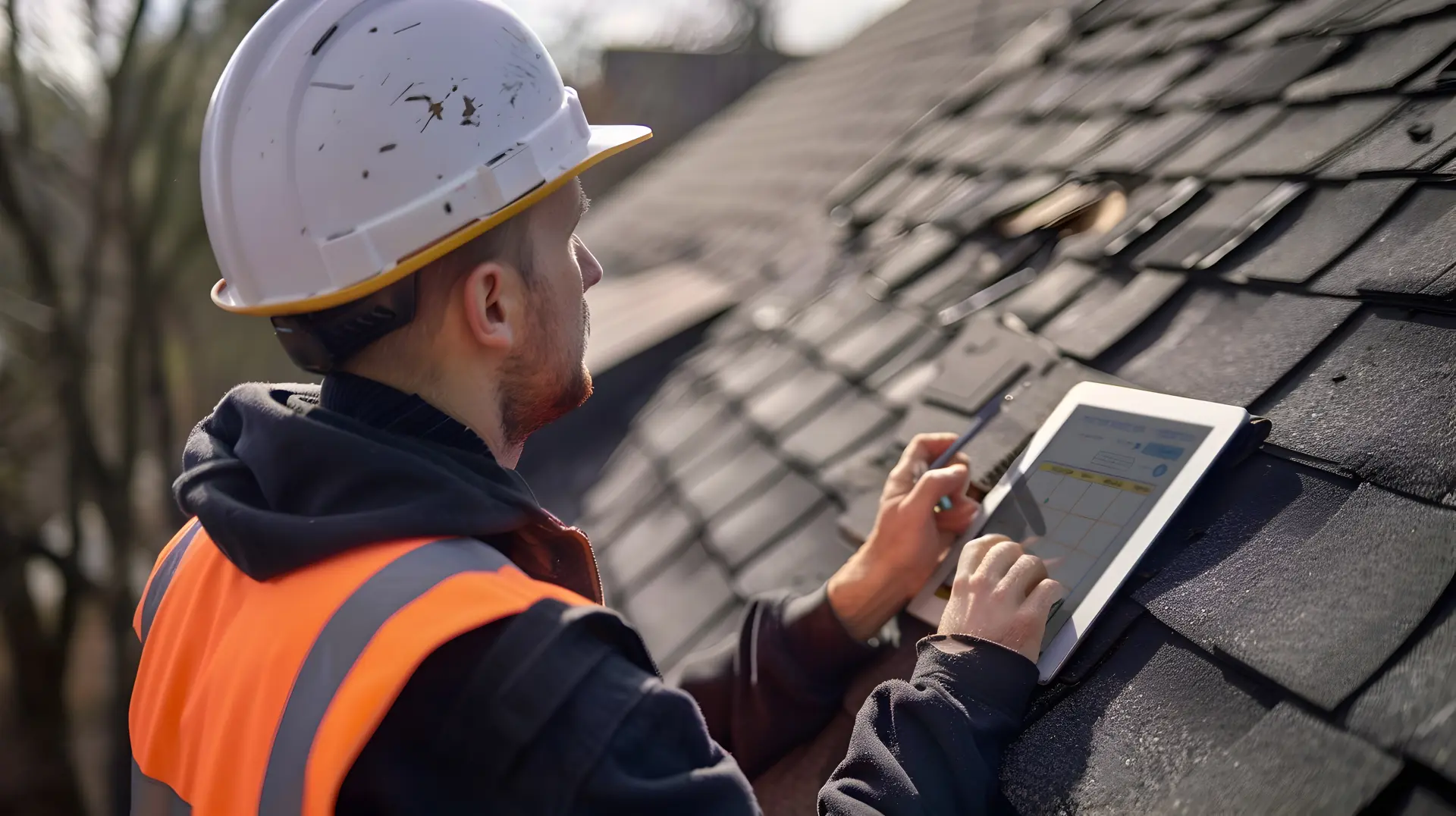
Heavy rooftop plant, solar arrays, or improperly stored materials can also exceed design loads. During inspections, use a long straightedge to spot ponding planes, and probe suspect areas for loss of bearing or delamination. Check parapets for step cracks and measure deflection adjacent to roof penetrations, where movement often concentrates. Thermal imaging can help reveal wet insulation that contributes to creep. If the roof feels spongy underfoot, restrict access, install temporary protections below, and commission a structural assessment.
Minor localised deflection may be repairable, but widespread sagging usually means the roof build-up has reached the end of its service life. Replacing the roof—and, where necessary, reinforcing the structure—restores drainage falls, protects teaching spaces, and reduces ongoing maintenance risks. Early action avoids closures and prevents costly emergency works disrupting exams, sports fixtures, and community use and teaching programmes.
Damaged or Missing Roof Materials
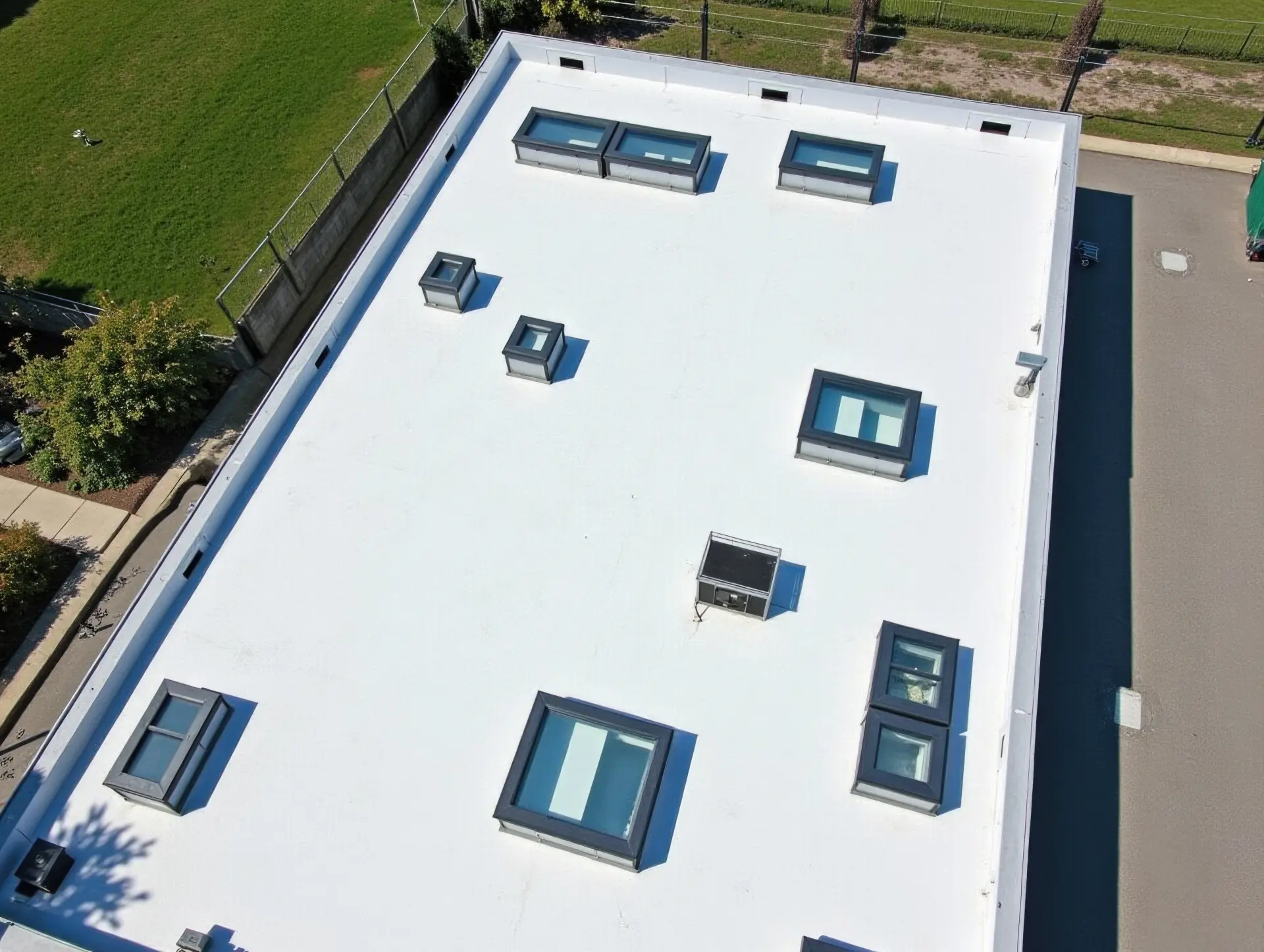
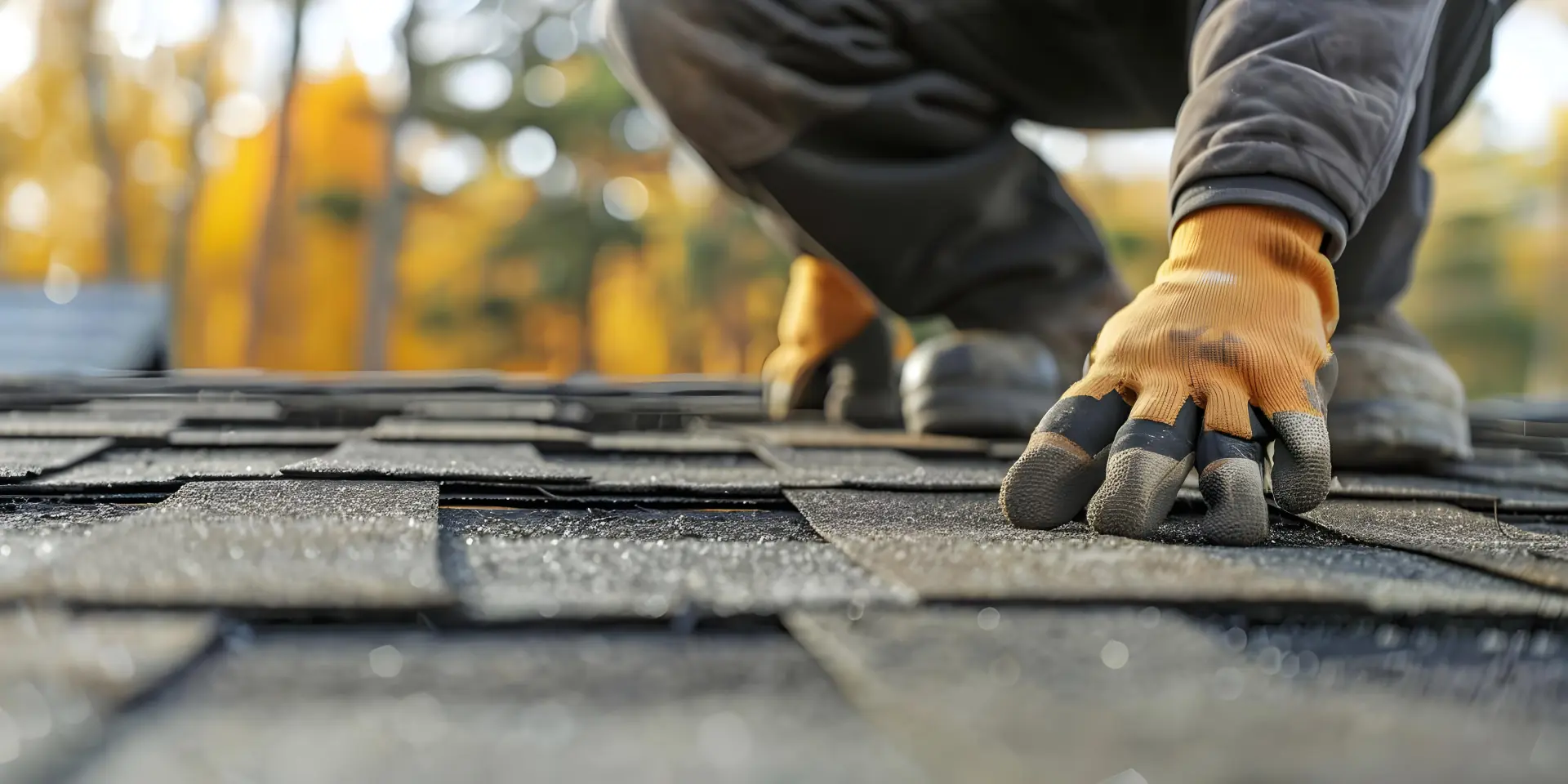
Damaged, cracked, or missing roof materials expose the building to rapid deterioration. On flat roofs, look for splits at laps, lifted seams, punctures around plant supports, and blisters feel hollow when pressed. UV-brittled membranes, perished sealants, and failing upstands allow wind-driven rain to migrate under the covering.
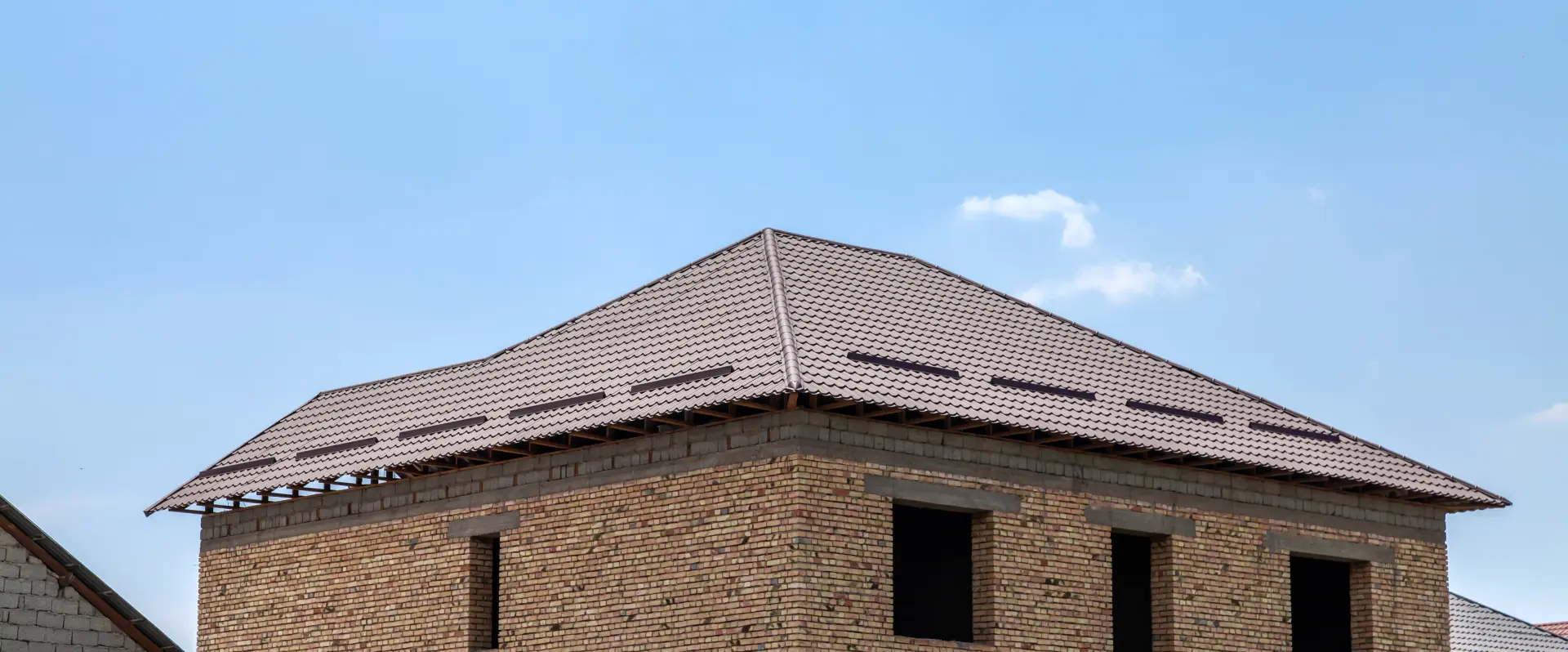
On pitched areas, slipped slates, broken tiles, and corroded fixings create leak paths; missing ridge or verge pieces invite birds and debris. Metal roofs showing red rust, loose fasteners, or failed gaskets can escalate from nuisance drips to deck damage. Perimeter details matter too: cracked flashings, distorted gutters, and open joints at skylights or vents often indicate age-related failure. When issues appear across multiple zones, replacement is usually more economical than piecemeal patching.
Poor Insulation and Rising Energy Bills
Poor insulation or air-leakage in the roof assembly hits school budgets twice: higher energy bills and uncomfortable learning environments. Warning signs include temperature swings between classrooms, cold spots near external walls, and persistent drafts at rooflights, hatches, and service penetrations. Ice dams or excessive snow melt patterns in winter, and overheating top-floor rooms in summer, both suggest inadequate thermal performance. Ageing roofs often have compressed, wet, or discontinuous insulation caused by historic leaks; once saturated, insulation loses most of its R-value and can corrode fixings. Mist on glazing, mould behind noticeboards, or HVAC working continuously to maintain setpoints points to uncontrolled heat loss or gain.
Compare half-term and term-time energy profiles: if base-load consumption remains elevated, the building envelope may be wasting heat even when occupancy is low. Modern replacement systems can integrate high-performance insulation above the deck to eliminate thermal bridges, improve airtightness with robust vapour control layers, and optimise daylight via upgraded rooflights.
For flat roofs, re-establishing correct falls prevents water from pooling and re-wetting the insulation. When planning budgets, consider the whole-life cost: a new roof with improved U-values often delivers measurable payback through reduced gas and electricity use, fewer reactive callouts, and longer component lifespans.
Better thermal comfort also supports attendance and concentration, helping staff and students perform at their best while meeting sustainability targets. Ask for an energy model comparing existing versus proposed U-values and predicted kWh savings. Tie projected savings to funding bids, estates strategies, and carbon plans to justify replacement within governance frameworks.
Age of the Roof and Wear Over Time
Age is a reliable predictor of roof performance, especially where maintenance has been limited. Felt and single-ply systems typically last 15–25 years; metal, slate, and tiled roofs can exceed 40 years when details are sound. Clues that age is catching up include widespread patch repairs, brittle membranes, perished sealants, and components no longer supported by manufacturers.
If warranties have expired and failures recur across different areas, investing in replacement reduces risk and restores compliance with current standards for insulation, fire performance, and edge protection. A planned renewal, scheduled outside exam periods, avoids emergency closures and aligns with capital programmes. Document the installation date now; if unknown, commission a condition survey to establish realistic remaining life and budget forecasts with contingencies.
We provide school roof condition surveys, leak tracing and repairs, thermal imaging and moisture mapping, structural assessments, and drainage/fall corrections. Our team plans and delivers full roof replacements with high-performance insulation, upgraded rooflights and compliant edge protection, scheduled to minimise disruption.