Preventing Structural Damage
A school roof does far more than keep rain out; it safeguards the entire structure beneath. Ageing coverings allow water to penetrate membranes and insulation, travelling invisibly into timbers, steelwork and finishes. Repeated wetting degrades decking, corrodes fixings and allows frost to spall concrete, so leaks multiply and ceilings collapse. Routine replacement interrupts that cycle. It restores a continuous waterproof envelope, removes perished materials and addresses hidden defects before they spread.
Contractors can upgrade drainage falls, clear outlets, renew flashings and introduce vapour control to stop interstitial condensation. By acting proactively, schools avoid emergency closures, costly internal reinstatement and insurance claims. Most importantly, timely renewal preserves fire performance and structural capacity, protecting classrooms, equipment and investment for many years ahead.
Protecting Students and Staff from Health Risks
Old or failing roofs create health hazards that directly affect pupils and staff. When water seeps through holes, joints and rooflights, it wets ceiling tiles, plasterboard and insulation, creating perfect conditions for moulds such as Aspergillus and Stachybotrys. These release spores that aggravate asthma, trigger allergic reactions and irritate eyes, skin and airways, particularly in young children and those with existing respiratory conditions. Persistent damp also attracts rodents and insects, raising the risk of contamination and bites. Leaks near electrics can short circuits and cause shocks, while dripping into circulation routes increases slip and fall incidents.
Damaged bituminous products may shed fibres or release odours, causing headaches and nausea in poorly ventilated spaces. Regular roof replacement removes the root causes. Contractors can strip out wet, contaminated and mouldy materials, install new vapour control layers to manage condensation, and add continuous insulation that keeps internal surfaces warm and dry. Modern membranes and single-ply systems provide airtight, reliable barriers, and robust detailing around penetrations prevents recurring leaks. Planned works also enable improvements to ventilation, daylighting and acoustic performance through safe rooflight upgrades with laminated glazing.
Together, these measures reduce absenteeism, improve concentration and create cleaner, healthier classrooms. Importantly, a documented replacement programme demonstrates compliance with health and safety duties, helping headteachers evidence that foreseeable risks have been controlled and that the school estate is being responsibly maintained. It simplifies hygiene routines for site teams, as dry interiors are easier to clean, odours dissipate, and pest-proof detailing limits harbourage points throughout the building.
Energy Efficiency and Cost Savings
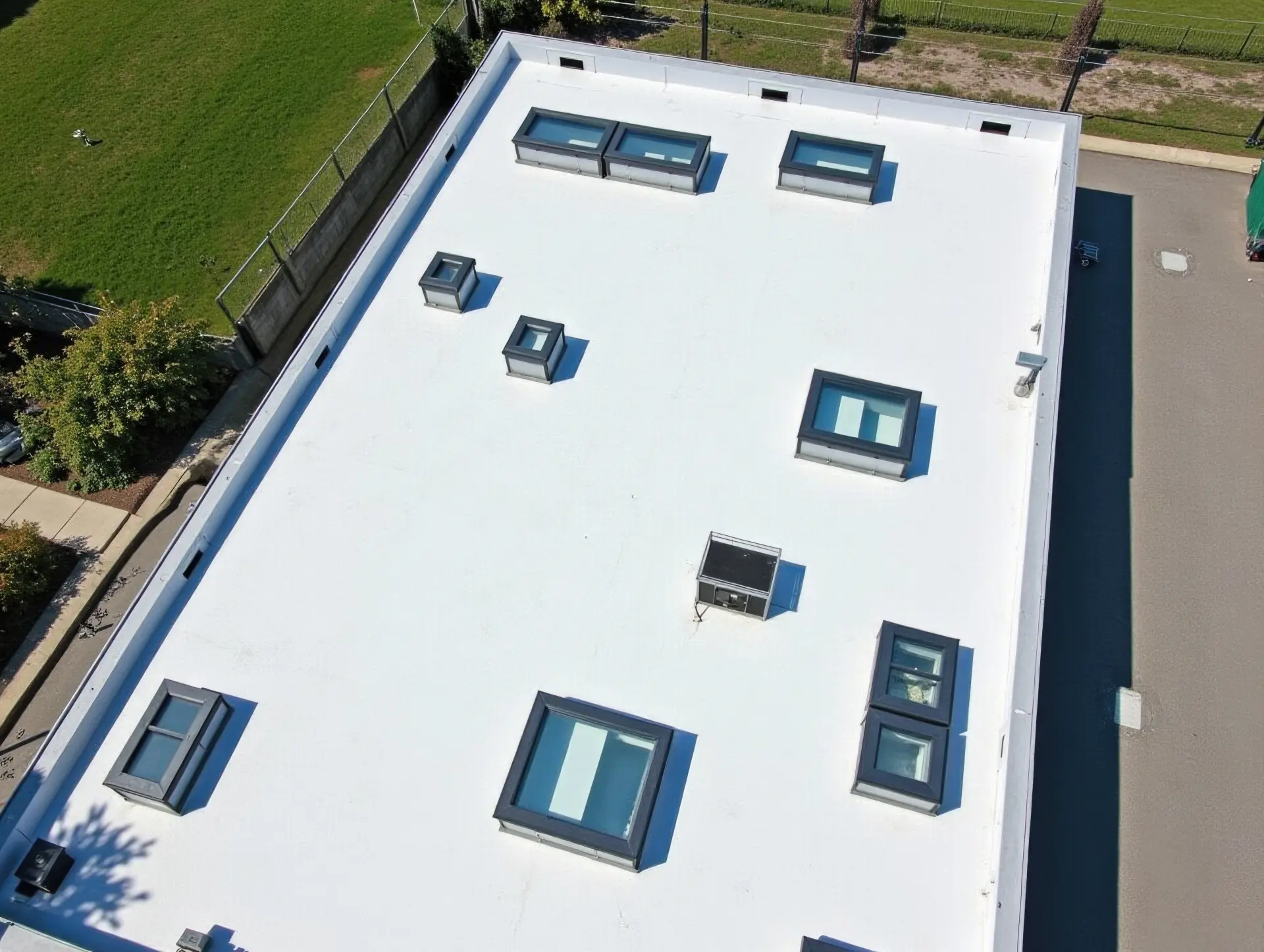
Tired roofs waste energy and money. Gaps in membranes, bridged insulation and saturated layers increase heat loss, forcing boilers to run longer and cooling systems to work harder. Routine roof replacement enables a whole-fabric upgrade: continuous insulation to eliminate thermal bridges, airtight membranes to curb uncontrolled leakage, and reflective surfaces to reduce solar gain in summer. Contractors can integrate modern rooflights and photovoltaic arrays, pairing natural daylight with on-site generation to cut utility bills further.
Better drainage and vapour control keep insulation dry and performing as specified, so savings persist. With energy prices volatile and budgets tight, these measures quickly repay themselves while helping schools meet carbon-reduction targets and funding conditions attached to public investment and lower long-term operating costs.
Minimising Disruption During Replacement
Replacing a roof on a live school requires meticulous planning to minimise disruption. A phased programme, sequenced by block and zone, keeps classrooms operational while works progress above. Contractors erect clearly segregated scaffolds and access routes, schedule noisy tasks outside teaching hours, and coordinate crane lifts for weekends or holidays. Temporary waterproofing and night seals protect interiors each day, so lessons can continue even if weather turns.
Clear communication is essential: site inductions for staff, student briefings, and regular updates via email and noticeboards set expectations and maintain safety. Fire and evacuation routes are reviewed daily, with alternative paths signposted and drills adjusted. Deliveries are timed to avoid drop-off and pick-up periods, and laydown areas are fenced off to prevent unauthorised access. Where roofs cover specialist spaces—ICT suites, laboratories, sports halls—decant plans and protective coverings safeguard equipment and finishes.
Finally, rigorous housekeeping, dust suppression, and compliant waste removal keep the campus clean, while air quality is monitored if stripping bitumen or removing mould-affected materials. Robust contingency planning underpins the programme: rain allowances, spare labour, and standby materials keep momentum. Permits to work, RAMS, and DBS-checked operatives reassure governors and parents. Quality control includes pull-out tests, electronic leak detection, and photographic records.
Defects are closed before handover, and intrusive noise or odour is checked with on-site measurements. Practical completion brings a clean, O&M manuals, and staff training for safe access, gutter maintenance and warranty care, turning disruption into a well-managed project. Community neighbours are consulted early to manage parking and deliveries.
Long-Term Benefits of Regular Roof Replacement
Regular roof replacement is an investment that compounds benefits over time. Reliable waterproofing protects teaching spaces, IT infrastructure and sports facilities, reducing downtime and safeguarding pupil outcomes. Upgraded insulation, airtightness and rooflights lower running costs and help meet decarbonisation commitments.
Standardised systems simplify maintenance, while robust warranties and digital O&M records give leaders confidence when planning budgets and audits. A refreshed roofscape also enables future-ready additions—solar PV, mechanical plant, or biodiversity features—without expensive rework.
By renewing at planned intervals, schools avoid crisis spending, stabilise asset lifecycles and maintain a warm, dry, inspiring environment that supports learning and community use throughout the year. Crucially, compliant, documented replacements improve insurability, bolster estate valuations, and demonstrate diligent stewardship to governors, funders and regulators.
We deliver planned roof replacement for schools, including condition surveys, leak tracing and electronic testing, insulation and membrane upgrades, drainage and flashing renewals, rooflight and ventilation improvements, PV integration, and phased, term-safe delivery.